The Connection Between Personal Wellbeing and Social Impact

You Are More Influential Than You Think
We often think of wellbeing and contribution as two separate things.
One belongs to the individual. The other belongs to charities, campaigners or people working in social impact. In reality, the two are deeply connected.
Every single one of us contributes to the world every day, whether we realise it or not. Through the work we do, the conversations we have, the choices we make, the way we spend our money, the relationships we build and the values we live by, we are continually shaping the world and communities we belong to.
To be in the world is to be a contributor.
Recognising this changes something important. It reminds us that contribution isn't reserved for a select few. It is something we all participate in, often in ways that are far quieter and more ordinary than we imagine, but have the greatest impact in how our existing world looks.
We Shape Society Every Day
It's interesting how often we talk about society as though it exists somewhere outside of us. Perhaps it is because modern life has evolved to be more individualistic than ever before, that we are forgetting we are society. Even those of us who live alone, work from home or just simply feel isolated – we are still part of the world and the way we choose to live matters.
People complain in masses about the economy, the quality of our food, the pressures of modern working life, the damage being done to the planet, our relationships or the growing sense of disconnection. Many people feel these concerns, and they are entirely valid, however it is millions of ordinary actions repeated each day that contribute to conditions we currently find ourselves in.
The choices we make.
The conversations we have.
The organisations we support.
The values we reward.
The way we treat one another.
Our individual actions may feel small, but together they create the culture we all experience, for better or worse.
This isn't about placing blame on individuals for complex societal problems. Rather, it is about recognising that when we see ourselves as contributors rather than passive observers, we begin approaching those challenges from a far more empowered place.

Responsibility Isn't Blame. It's Freedom.
This was one of the biggest lessons I learnt through coaching.
There was often a noticeable difference between the way coaching clients approached their challenges and the way people around me approached similar situations in their everyday life.
Coaching creates space for one simple but powerful question:
"How can we make this better?"
The focus shifts away from everything outside of our control and towards what is possible within it. By exploring what they wanted to happen, clients naturally began identifying practical steps that moved them closer to the life they hoped to build.
Outside of those conversations, I often noticed a different pattern.
People would understandably offload their frustrations, feel momentarily lighter for having shared them, then return to the very circumstances that were making them unhappy.
The difference between them and my coaching clients is they believed themselves to be victims of their circumstances, whereas my coaching clients had a sense of agency. It was that exact feeling that allowed coachees to approach challenges from an empowered and confident space.
It demonstrated that there is extraordinary power in viewing our lives through the lens of problem solving rather than helplessness.
Conscious Living Begins with Awareness
This realisation became one of the foundations of Words of Integrity.
I came to understand that greater happiness and autonomy wasn’t a result of my external circumstances being perfect, because they were far from it. My circumstances improved because I started paying attention to the choices I was making every day; recognising what worked, what fit, what didn’t, and adapting each choice I was making to be more reflective of my values and what is important to me.
Conscious living (or intentional living) allows us to recognise that from the moment we wake up to the moment we go to sleep, every decision presents an opportunity to act a little more intentionally and a little more in alignment with our values.
Unlike many forms of advice in the self help or self-development space, conscious living isn’t asking you to endlessly self-optimise to become part of the 1%. It simply asks you to recognise what is important to you, and stay vigilant to ways you can act in alignment with those values.
It means bringing a sense of awareness to the things inside your control, and learning to be at peace with the things that are not.
As we explored in The Hidden Cost of Living Out of Alignment With Your Values, the impact of misalignment is far more taxing on ourselves and wider society than many people realise.
We Were Never Supposed To Do This Alone
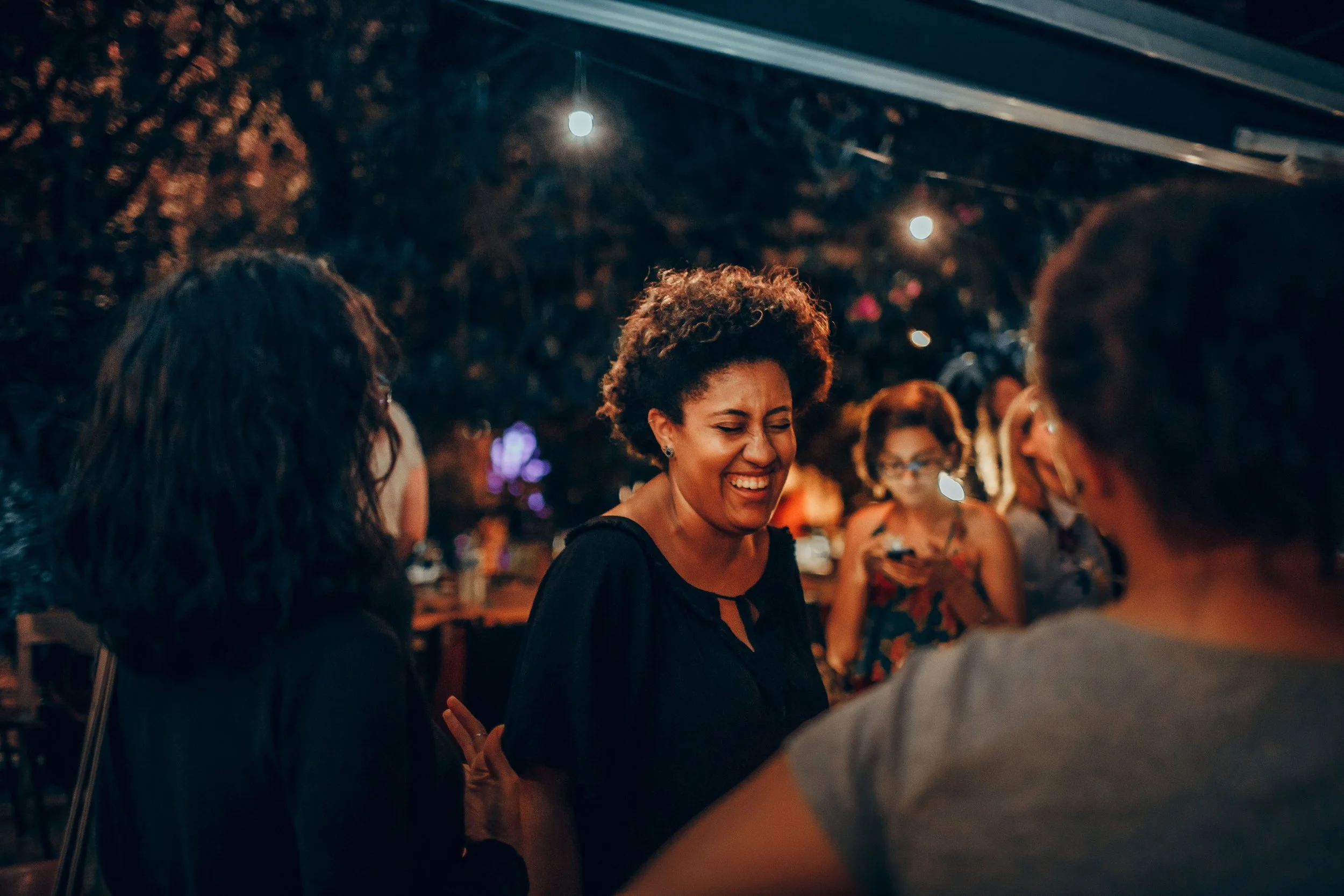
Human beings are social creatures, and we are stronger together.
As important as personal responsibility is, there is an even greater transformation that takes place when we allow other people into the process.
One of the most remarkable things about community is that it creates opportunities for people to meet one another's needs in ways that could never have been planned. For example, I often think about an amazing community initiative led by the late Barbara Sher, where she brought people together each week with one simple purpose: to share an impossible dream, and make it happen.
Rather than offering advice, the group would ask one question:
"How can we make this happen?"
One person wanted to find a partner. They found him one. Another dreamed of going on a cruise, only for someone else in the room to reveal they had recently won a cruise they couldn't use. One woman even said she wanted to dance with Patrick Swayze, and they made it happen.
At first glance, these moments feel almost magical, but in reality, they reveal something much simpler – The right people, with the right experiences, skills and resources, are all around us all the time. Our job is to be open to sharing, open to help, and open to remaining in community.
Perhaps one of the greatest gifts which community can offer us is a reminder that we do not have to carry everything alone. Our strengths, knowledge and generosity often become the answer to someone else's desire, just as their experiences can become the answer to ours.
Watch Barbara Sher’s ted talk here.
Purpose, Connection and Contribution Reinforce Each Other
Throughout this series we've explored the importance of purpose and meaningful work, as well as human connection and the health impacts of loneliness as separate ideas.
In reality, they are inseparable.
Purpose gives us direction.
Connection gives us belonging.
Values help us make decisions with integrity.
Contribution allows all of those things to extend beyond ourselves.
When we feel healthier, more connected and more purposeful, we naturally have greater capacity to support others.
Equally, when we contribute to something meaningful, our own wellbeing often improves in return.
Research consistently shows that volunteering, helping others and feeling connected to our communities are associated with greater life satisfaction, stronger mental wellbeing and improved social connection.
Why?
Because human beings were never designed to thrive in isolation.
The Philosophy Behind Words of Integrity
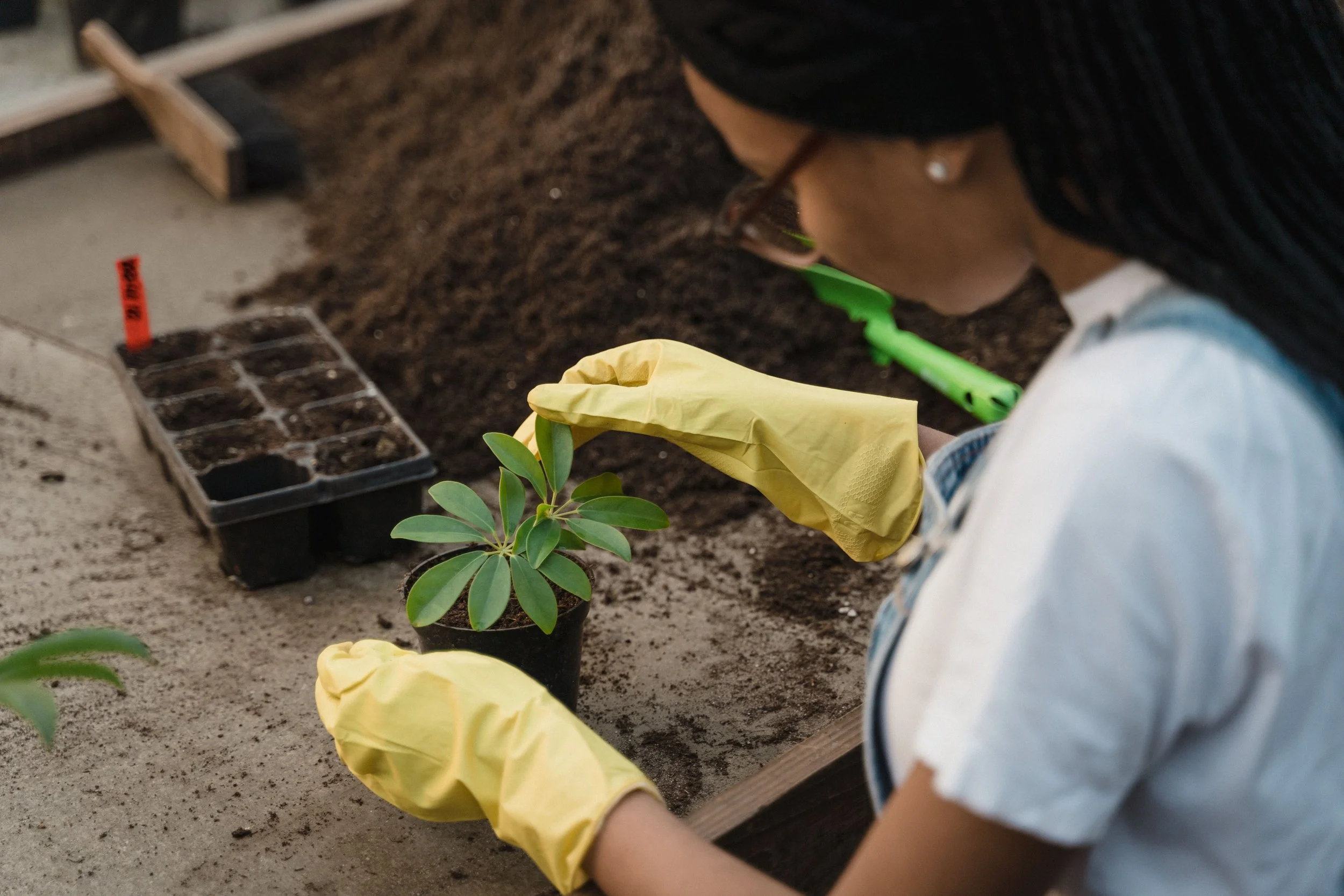
Words of Integrity was built on a simple insight: that personal wellbeing and positive social contribution are not competing priorities. They strengthen one another, and they strengthen our world. Not only for us, but for future generations.
Many of us are inundated with advice on endless self improvement, but when our ultimate goal is to build sustainable lives which are both meaningful and beneficial to us and the people around us, it contributes to a world of happier, healthier individuals and communities.
A Healthier Future Begins with Ordinary Choices
We often ask how one person can possibly make a difference.
Perhaps a better question is:
What happens when millions of ordinary people begin making slightly more conscious decisions?
Because society doesn't change all at once, and neither do our lives. They are transformed by all of the everyday actions, conversations, and intentional actions we make.
