We're More Connected Than Ever. So Why Is Loneliness Becoming a Public Health Crisis?

Community Is More Than a Buzzword
Community has become something of a buzzword. It appears in mission statements, workplace values and marketing campaigns, yet many of the spaces in which we celebrate the idea of community are the very places where people often feel the least connected.
So what does it actually mean to be in community?
More importantly, why does it matter?
As modern life has evolved, many of us have become more digitally connected than ever. Despite constant access to one another through technology, increasing numbers of people report feeling isolated and lonely.
We often think of loneliness as an emotional experience, but its effects extend far beyond how we feel.
Research suggests that chronic social isolation has a profound impact on our physical health, increasing our risk of dementia, heart disease and stroke. In fact, some studies have found that loneliness can be as harmful to our health as smoking 15 cigarettes a day, with those experiencing the weakest social relationships facing a significantly higher risk of premature death.
This isn't simply a social issue. It is a public health concern.

Community Is Built Through Ordinary Moments
Our sense of belonging is created through regular, low-stakes interactions with other people.
Conversations with familiar faces.
The cashier who remembers your name.
The neighbour you stop to chat to.
The colleague you make coffee with each morning.
These small moments often seem insignificant, yet they compound over time to become the foundation of community.
When we leave education, many of these low-stakes interactions disappear. Some of us move into remote work. Others find themselves without accessible third spaces. Some simply become withdrawn.
Our loneliness is then fuelled by the convenience culture which modern life has become modelled around. We can order our shopping online, stream entertainment from our sofas, have meals delivered directly to our doors and go several days without needing to meaningfully interact with another person.
The truth is, community hasn't disappeared. It exists all around us, but regular access isn’t happening organically anymore. It is no longer ubiquitous. We have to actively and intentionally seek out community – not just for our mental wellbeing, but for our physical health and longevity.

Why Digital Connection Isn't Enough
Online communities have transformed the way we connect with others, and in many ways, this has been incredibly positive.
Digital spaces allow us to find people who share our interests, experiences and perspectives. They provide validation, belonging and opportunities to explore niche topics that may not exist within our immediate environment. This resonance can be deeply enriching, but digital connection and human connection are not the same thing.
While online interaction can satisfy our need to feel understood, it cannot fully replace the experience of sharing physical space with another person.
One of the reasons for this is something known as co-regulation.
The Science of Belonging
Co-regulation is the process by which a calm, grounded person helps stabilise another individual's nervous system.
Through tone of voice, facial expression, body language and physical presence, another person communicates safety to us in ways that technology simply cannot.
This is one of the reasons why strong social relationships have such a profound effect on our health.
Our relationships don't simply improve our mood. They influence how our bodies respond to stress, how safe our nervous systems feel and, ultimately, how well we are able to thrive.
Human beings have always and will always be social creatures. Even the most independent among us experience the comfort, reassurance and healing that comes from spending time with people we genuinely resonate with.
Becoming Someone Else's Sense of Safety
Perhaps one of the most overlooked ways we contribute to our communities is simply through the way we show up for ourselves.
By becoming someone who is calm, grounded and emotionally regulated, we have the ability to positively influence the people around us without needing to solve their problems or say the perfect thing. Our presence alone makes a difference.
For anyone who cares deeply about their family, their community or making a positive contribution to the world, this may be one of the most meaningful places to begin. Caring for our own wellbeing benefits us individually, but it also means we can become a source of stability that extends out to our communities and the people we love.
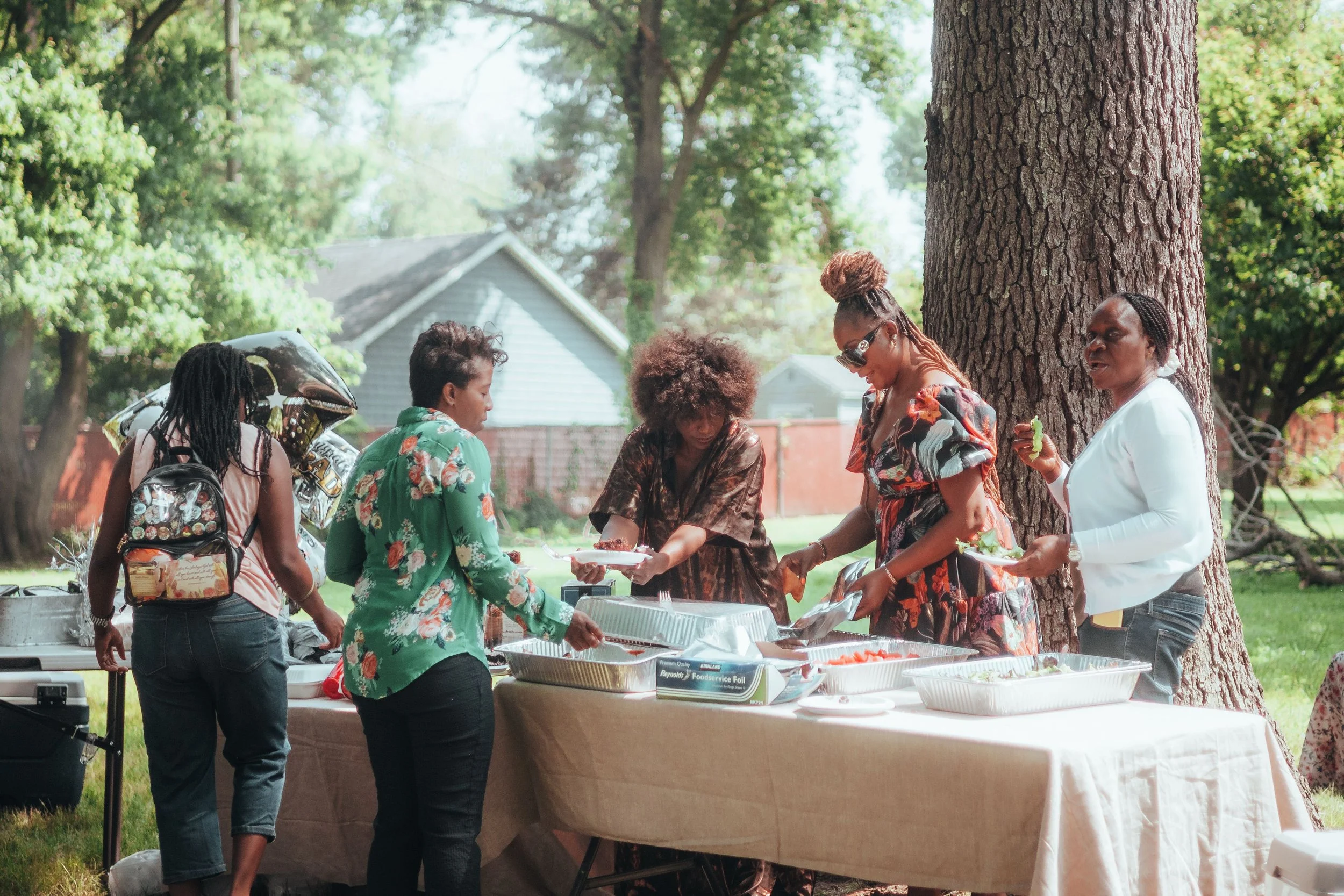
Perhaps the most important thing to remember is that community is something we help create. Every conversation, every act of kindness, every familiar face and every space where people feel safe enough to belong contributes to the wellbeing of us all.
In a world that increasingly encourages convenience, independence and life behind a screen, making the effort to seek out genuine human connection has never been more important. It isn't simply good for our mental health; it supports our physical health, strengthens our resilience, and fuels our life-force.
Community reminds us that we were never designed to navigate life alone, and that we will always be stronger and healthier simply by being together.
