How to Navigate Life When Your Dreams Don’t Match Your Environment
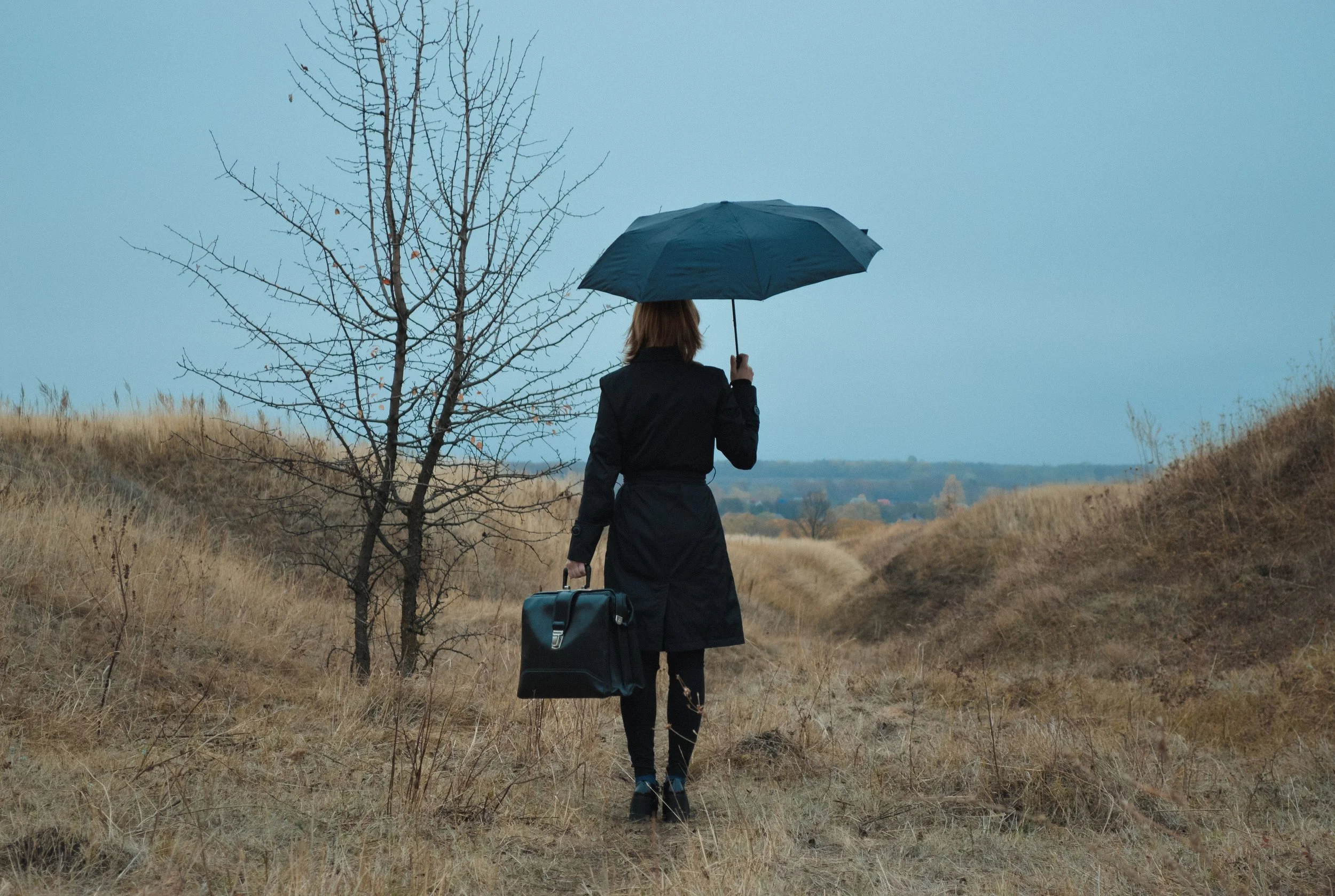
Our environments shape us far more than we realise.
Long before we choose a career, we begin forming ideas about what is possible simply by observing the people around us. We inherit quiet assumptions about success, stability and what a "normal" life is supposed to look like.
But how do we navigate life when you're drawn towards a path that isn’t reflected in your immediate environment?
When nobody around you is living the kind of life you quietly imagine for yourself, it can feel confusing, unrealistic or unattainable – Not because it is, but because your environment has never shown you otherwise.
You Can't Become What You've Never Seen
When I was younger, I lived in a typically working-class area where most of the jobs people around me held were traditional roles, often service or labour based. The adults and families I saw lived similar lives: go to work, clock off, sit in the pub, come home and watch television. Rinse and repeat, with weekends and annual holidays being the only respite to look forward to.
I didn't see people engaged with the kinds of hobbies or creativity that brought me so much joy as a child. Looking back, it's no surprise that as I grew older I began questioning whether those parts of myself were relevant anymore.
Due to associating creativity with the kind of play that is only encouraged during childhood, there was an unspoken expectation that it was time to grow up and leave those things behind.
The problem was, leaving them behind didn't make me happier. It took me further away from myself, and the longer I went without honouring those parts of myself, the more it felt like the truest parts of me were dying.
Working in more traditional roles often felt crushing, and at times demoralising, particularly as a young woman. Looking back, I recognise that I was often overlooked, underpaid and spoken to as though I were simple by people several years my senior. This only amplified the feelings of dissatisfaction in those environments. It’s one thing to come up against societal prejudices when working on something that you care about, but another thing to try and tolerate them in environments you already feel disconnected from.
Of course, there were wonderful people I worked alongside and colleagues I still think about fondly today. This isn't a criticism of traditional work or the people who do it. In fact I have a great deal of respect for those who keep our society running and functioning every day, I just knew that wasn’t the space where I belonged, and I suspect if you’re reading this, you will relate.
Feeling disconnected from your environment whilst also feeling like the things you want to do are inaccessible – that is a heavy load to carry.
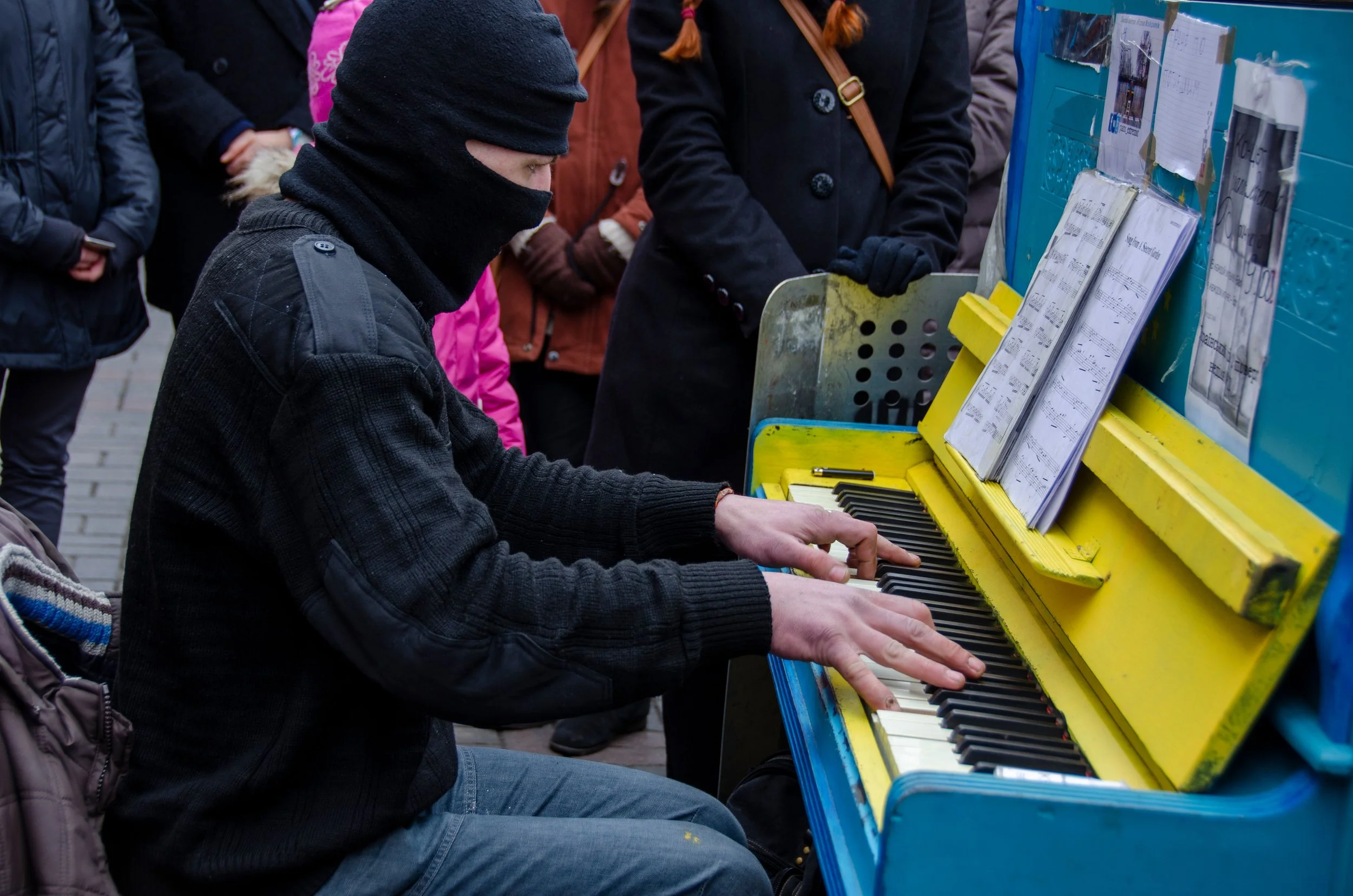
Just Because Your Environment Doesn't Recognise Your Strengths, Doesn’t Mean They’re Not There…
As a creative, I recognise now just how challenging many traditional workplaces can be for the creative spirit.
The qualities that make creatives valuable e.g. problem solving, communicating ideas in interesting ways, thinking differently, connecting seemingly unrelated concepts to create something stronger. Those aren't always nurtured nor appreciated in environments built around following established processes.
Traditional workplaces often reward compliance and predictability.
Creativity demands curiosity and flexibility.
Neither is inherently better than the other, but recognising where your natural strengths are welcomed rather than suppressed can make an enormous difference to both your wellbeing and your ability to contribute.
For each of us who are able, contribution is an important part of life. Not only does the world require us to identify how we can be useful, but the act of being useful and recognising that you can deliver value is important for your personal wellbeing.
As social creatures we all need to know on some level that we are needed, valued, and appreciated; that we are good at something and serve a purpose. Otherwise it can leave us feeling worthless.
The Ugly Duckling
For many of us, our true community isn't necessarily the one we're born into.
That doesn't mean we stop loving the people where we came from. It simply means that sometimes the environments we begin life in aren't the places where we're able to become our fullest selves.
The story of The Ugly Duckling is a beautiful example of this. He spends much of his life believing something is wrong with him because he doesn't look or behave like the other ducklings around him. Only later does he discover that he was never a duck at all. He was a swan.
Perhaps many of us experience purpose in a similar way.
Feeling different isn't always a sign that something is wrong. It isn’t evidence of some kind of personal failure or flaw. Oftentimes it means that we haven't found the environment where our strengths naturally belong. Yet…

Finding Your People
Even while I was still living and working in environments that didn't fully nurture who I was becoming, I began finding glimpses of community elsewhere.
Sometimes it was as simple as spending more time outdoors and meeting people through a shared love of nature. Other times it was attending local music events, speaking with artists and creatives, and connecting through shared interests.
One phrase I've heard often within creative industries is:
Network sideways, not up.
Build relationships with your peers, especially during those earlier phases.
Collaborate.
Learn together.
Grow together.
Some of the most important relationships you'll ever build won't come from chasing influential people. They'll come from standing alongside others who are building something meaningful at the same time you are.
Similar to the story of the Ugly Duckling, you often have to go out and find the people who are like you. Sometimes that can mean stepping outside of your comfort zone, and that’s okay. Part of embracing the path is staying true to who you are – even (and sometimes especially) if the existing people around you find it strange, cringe, or weird.
This is how you begin to organically increase the visibility of people and career paths that were missing from your original environment. Gradually, those aspirations start to become less alien, more visible, and more obtainable.
Purpose Rarely Asks Us to Leap
One of the biggest misconceptions about purpose is that we either find it immediately or we don't find it at all.
In reality, purpose unfolds gradually.
Sometimes the life we truly want feels so far removed from our current reality that taking one giant leap seems impossible. In those moments, smaller steps become incredibly important. They allow us to build confidence and skills gradually, and begin shaking off the self doubt and imposter syndrome that can easily hold us back.
In fact, jumping before we are ready can become more harmful in the long run. It is like sending an athlete out onto the field without proper training.
Whilst it may be frustrating at times, all of those smaller steps accumulate until you wake up one day and recognise that you have made a giant leap forward. But instead of being swept off of your feet, you remain grounded in the transition, as easily as remaining attached to the earth as it moves.

Know When to Pivot Out of the Safe Zone
Before arriving at the work I do today, I found myself moving through roles that sat adjacent to what I truly wanted. When I decided to leave my corporate role, marketing became a far more accessible way of entering the creative industries.
Looking back, I realise part of me was acting from fear.
Fear of rejection.
Fear of failure.
Fear that I wasn't good enough to pursue the work I genuinely wanted.
Marketing became a bridge. It wasn't my final destination, but it moved me closer. It also allowed many of my interests – writing, music, storytelling and culture, to begin intersecting with my work in ways that gradually built my confidence and expanded my view of what was possible. It placed me in positions where I was able to pivot.
These in-between phases, the places that serve as a buffer or bridge before you move on to the next thing are important. But if we are not careful there can be a danger of staying in those places longer than necessary.
When looking back in my own journey I recognise I stayed in the corporate world longer than was right for me because it provided three things that made me feel safe:
Stability.
Predictability.
Social acceptance.
That final one is perhaps the most overlooked.
There is an unspoken comfort that comes with recognisable job titles.
"I work in insurance."
"I work in marketing."
People immediately understand what those statements mean. Or at least they think they do.
Compare that to saying,
"I'm a writer, life coach and creative entrepreneur using words as a tool for social impact."
Suddenly, explanation becomes necessary.
Purpose-led work often asks us to leave behind identities that feel socially comfortable before we've fully grown into the new ones. That uncertainty can feel deeply uncomfortable, not because the work is wrong, but because familiarity has always made us feel safe.
When you recognise that you've gotten all you can out of a space or opportunity, that’s how you know it’s time to pivot. It’s a little like moving house – there might not be anything wrong with the old one, you’ve just outgrown it, and staying because it’s familiar means you won’t be able to take up space in the way you need to.
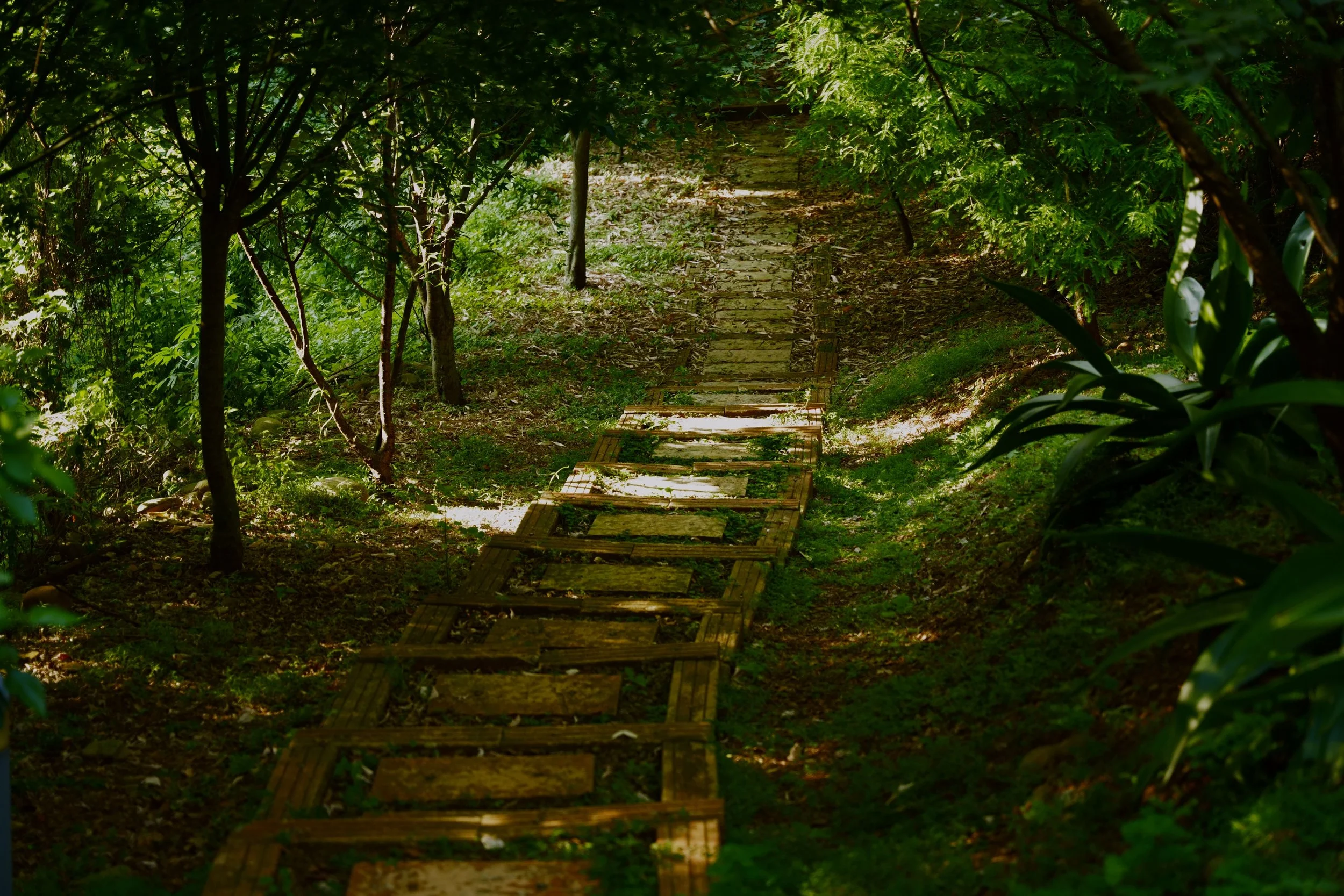
There is often a quiet pressure to believe that meaningful work requires one dramatic decision; a leap of faith where everything changes overnight. In reality, our lives rarely unfold that way. More often, purpose reveals itself gradually as we begin paying attention to the things that energise us, the environments where we feel most like ourselves, and the work that allows us to contribute in ways that feel authentic.
We don't have to have everything figured out before we begin, we just have to start and keep finding ways to move forward.
Sometimes the bravest thing we can do is simply move a little closer to the life we're curious about, trusting that clarity will come through action rather than certainty – Because I've come to realise that whilst purpose is important, it doesn't usually ask us to abandon everything overnight. It invites us to take one step towards the life we want, then another, slowly building enough confidence to leave behind the identities that no longer fit. Or perhaps, leave behind the identities we formed which were never meant for us anyway.
