How Do We Build A World Where People Can Contribute By Being Themselves?
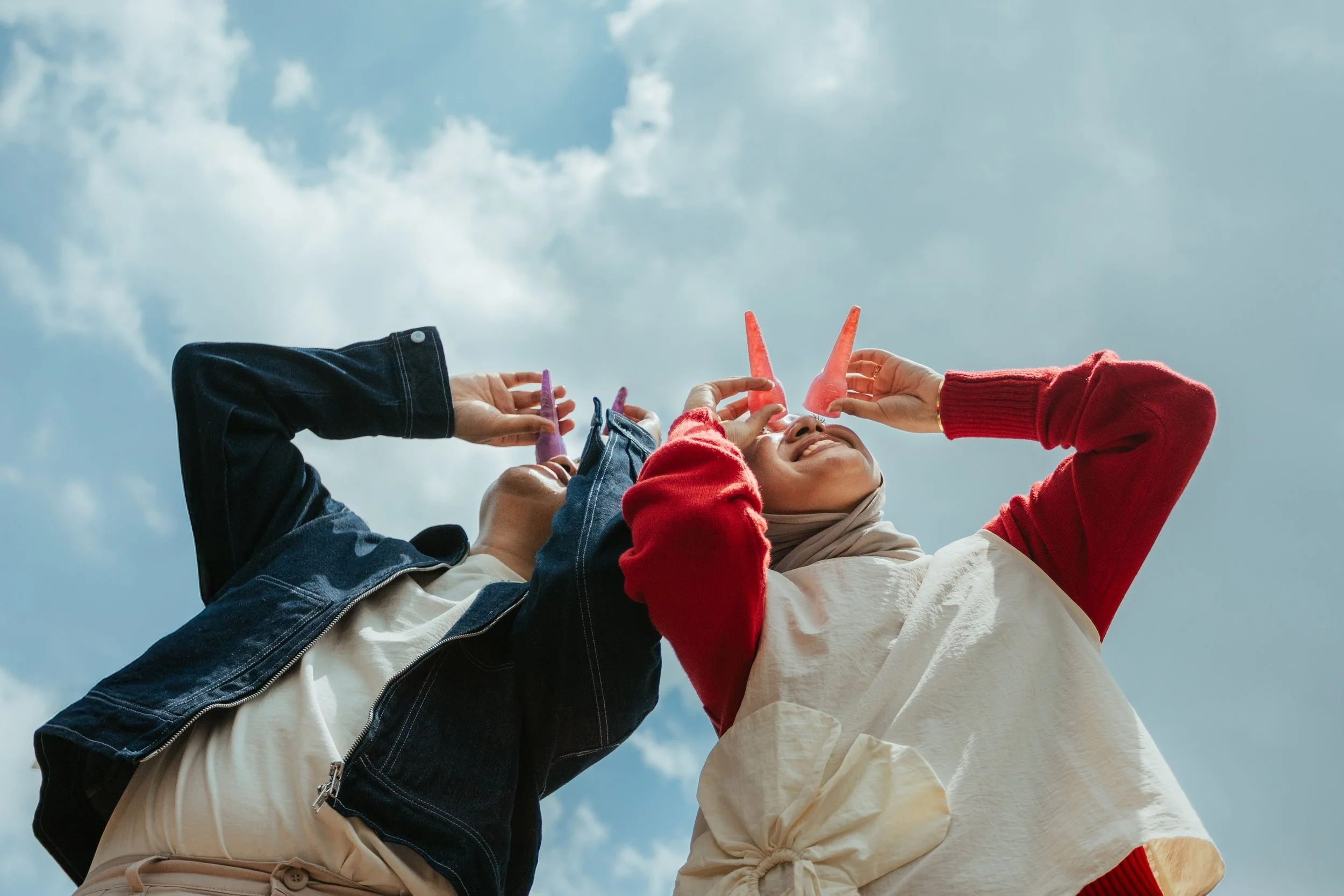
Earlier this week, Campaign for the Arts shared a BBC article detailing that a lack of access to the arts in the West Midlands could be leading to a decline in students studying creative subjects.
The arts have long been a cornerstone pillar of our society, but still we are failing the individuals best suited to these careers. Again, it is the young people from dis-advantaged backgrounds who suffer the most.
The question we should be asking is not whether the arts are important, but how do we build a world where people can contribute by being themselves? And more importantly, what happens if we don't?
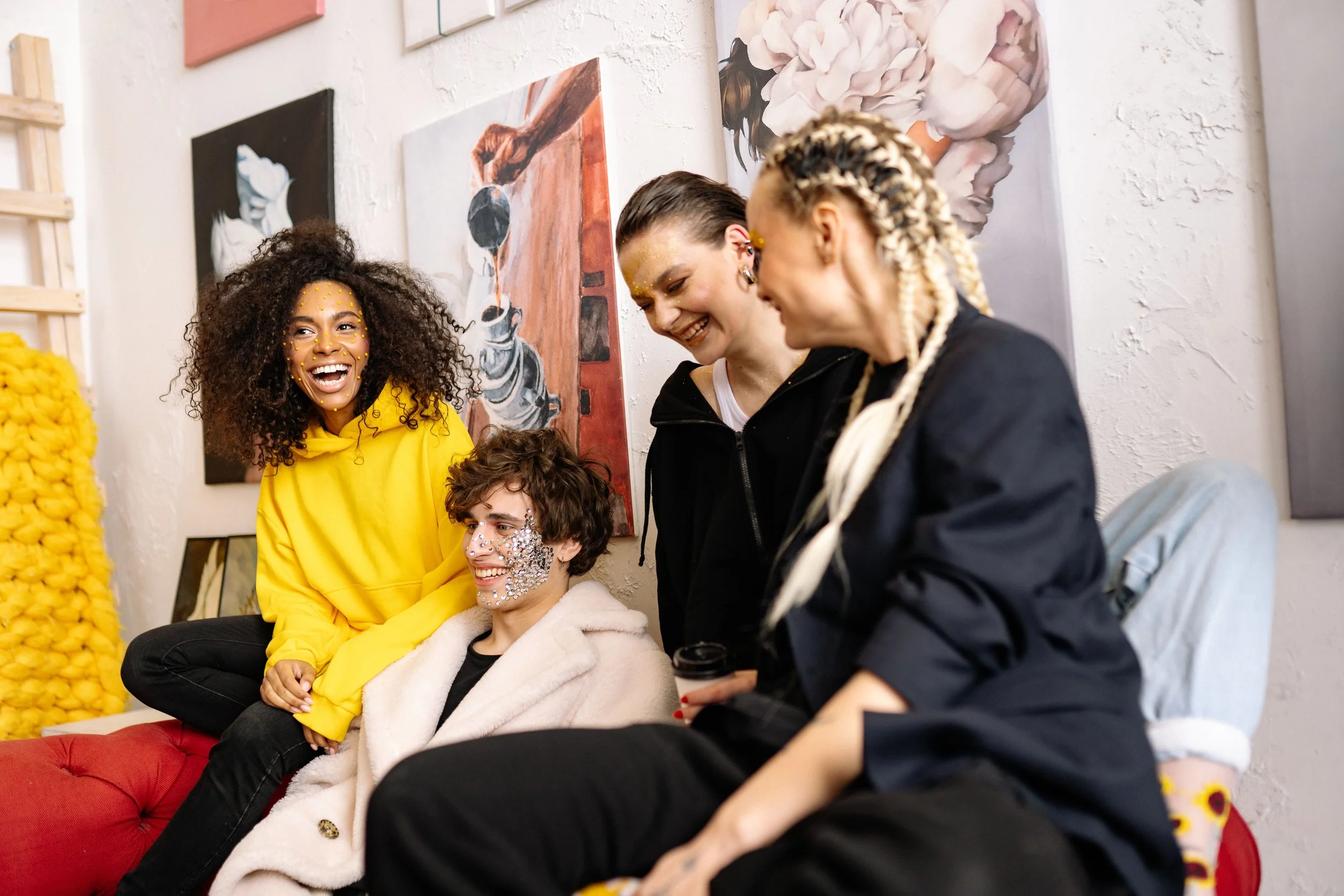
A first hand account of how creativity supports wellbeing
Moving out of London aged 11, into a rural area, meant I had little to no access to creative opportunities after finishing school. Thankfully the creative seed had already been planted, and I was able to do something with those skills once reaching adulthood.
I knew I was gifted in the world of creative writing and music, but due to a lack of access and economic support, these were not abilities I had the opportunity to pursue professionally until my late twenties.
Regardless, those earlier years of developing skills and thinking styles paved the way for my future. Above all, growing up engaging with arts was (and continues to be) essential to my wellbeing.
Adolescent years were challenging due to a turbulent home environment. I was also navigating the entirety of my school years without knowing I had ADHD (a diagnosis that didn’t arrive until my mid-twenties). To continuously be told I was bright, but still find myself failing academically only worsened the self esteem issues which were already present.
It was the teachers in art rooms or music rooms who would lean over and compliment my work, that reminded me I was good at something. It was also those activities that brought me the most joy, especially when I struggled to find happiness elsewhere.
My experience is not an isolated one. There are several young people across the UK who are not receiving the proper help and support with neurodivergence, access to mental health services, career guidance, or appropriate welfare and wellbeing support.
For many young people who find themselves let down by a system they are not yet old enough to vote in, the arts provide a safe haven and oftentimes a lifeline.
That is why I stand with ‘Campaign for the Arts’, who are urging the new Prime Minister to make arts and culture an integral part of his forthcoming “10-year plan” for the UK.
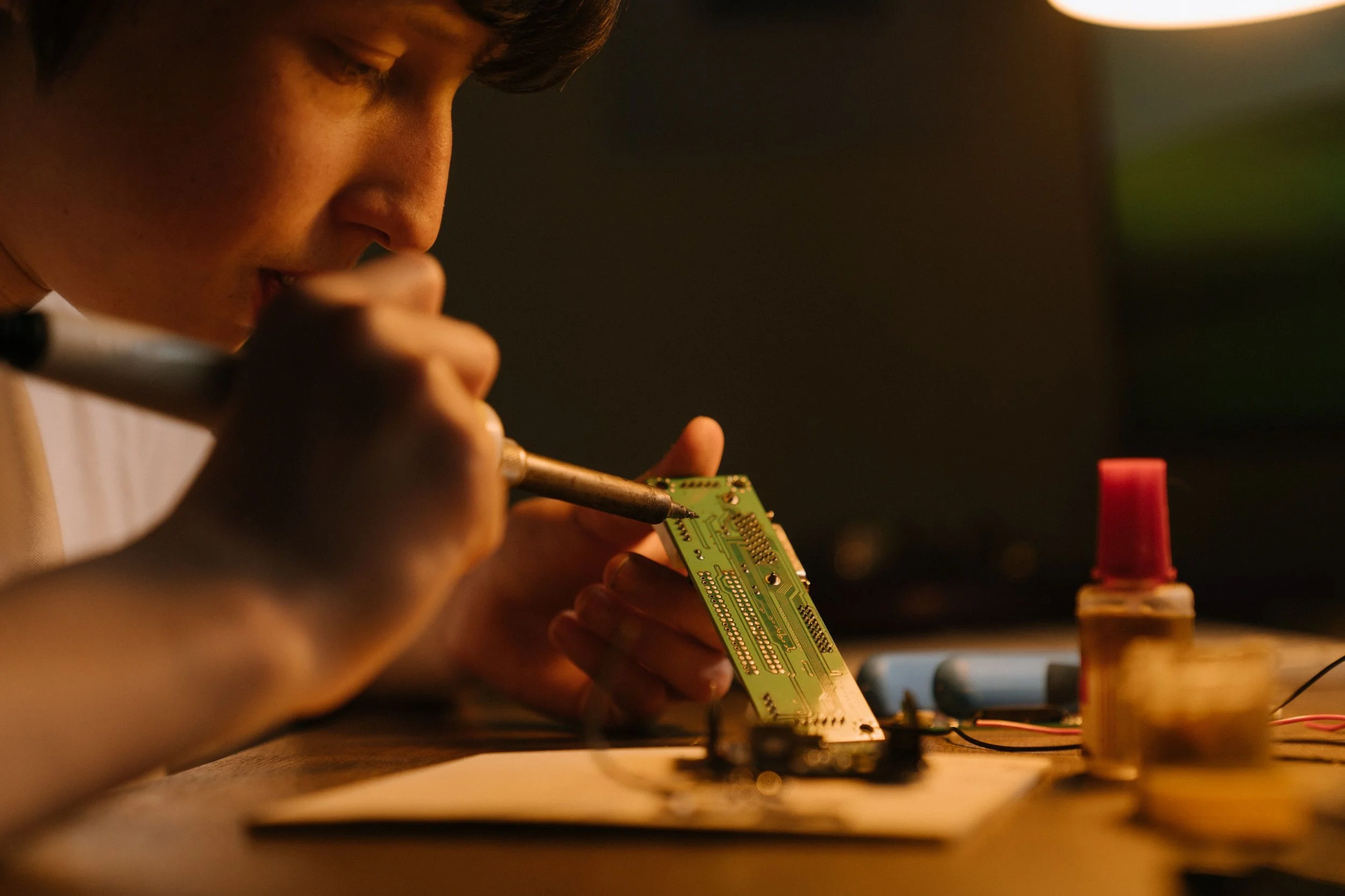
Protecting future career prospects
Prior to pursuing a creative career, my professional life closely resembled my school years of ‘not living up to my potential’. I was fortunate that creativity provided a north star for my career that prevented me from questioning why I wasn’t good enough to keep a job working the tills in B&M, or cleaning hotel toilets.
Reducing access to the arts doesn’t mean that creative people stop being born. They become displaced.
Students are already placed under crippling amounts of pressure to think about and prepare for their future. If we begin to fill classrooms with young people who have missed out on activities that allow them to uncover where their natural genius lies, we’re setting them up for failure.
To create environments that may reinforce a young person's belief that they are not good enough, then send them out into a world where they must contribute to survive, is simply cruel.
This is true for creative children and young people who do not have access to the arts. It is also true for neurodivergent people whose thinking, communication, and processing styles exist outside what is ‘traditional’.
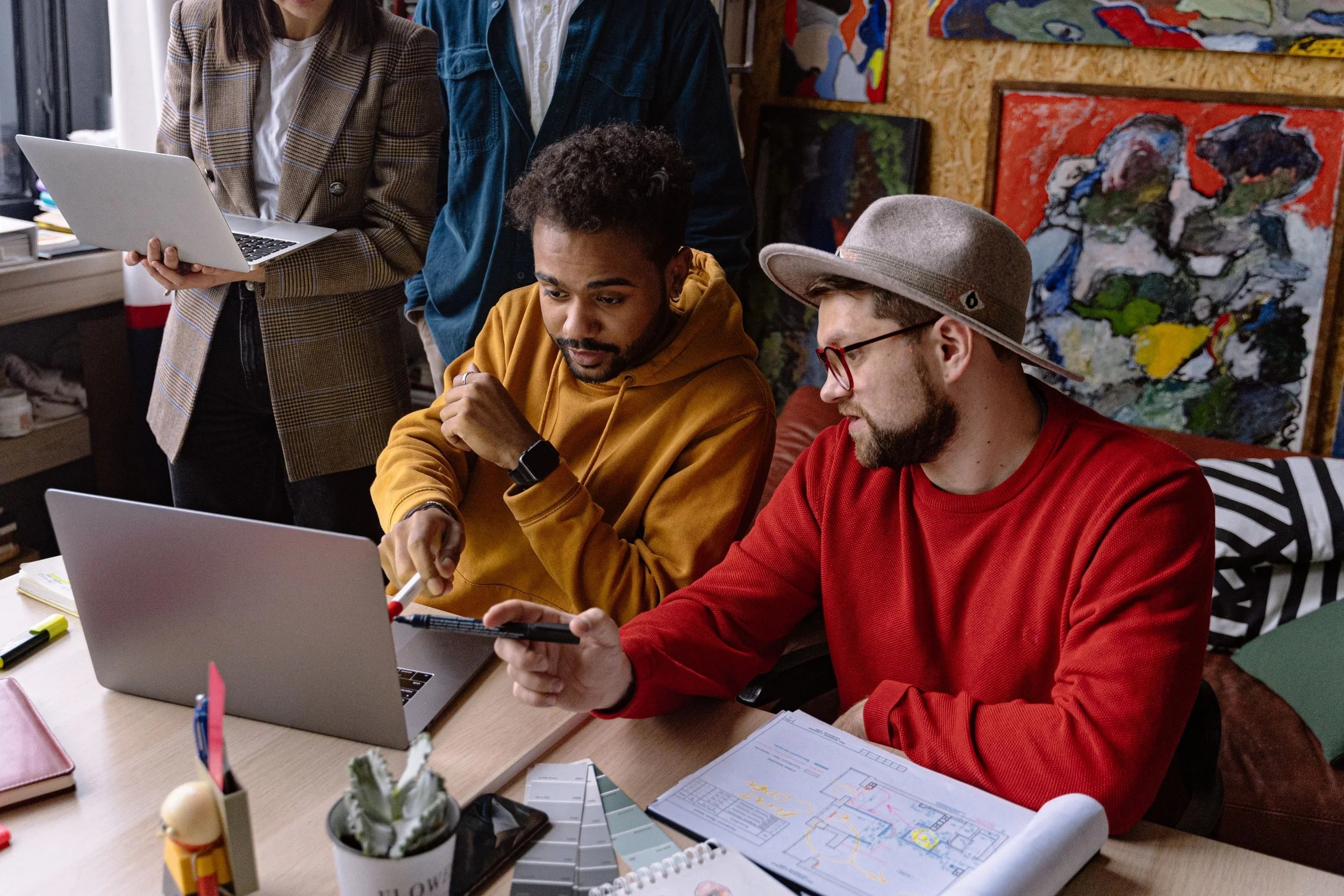
Our world needs creative minds more than ever
We are navigating unknown waters with AI, we are still conducting clean up and damage control following Covid, and we are in the midst of a climate crisis. Creative minds can and will be an important part of navigating the near and distant future. Not because we will provide entertainment, but because our crafts prime us to work in unconventional ways, and create unique, human-centred solutions that no amount of analytical thinking or artificial intelligence could currently match.
The times we find ourselves in may be challenging, but human beings are resilient. We have proven that as a species we can build, bootstrap, and bulldoze our way through almost any crisis and keep moving forward. During those moments, it is the unique thinkers, the creative minds, and the people with outside-the-box solutions who contribute in invaluable ways to that progress.
What good will these young creative minds be to society if we never give them a chance to understand and nurture those skills? We are already leaving future generations a significant mess to clean up. Let’s not disadvantage them further by removing pathways for both personal and professional growth and development.
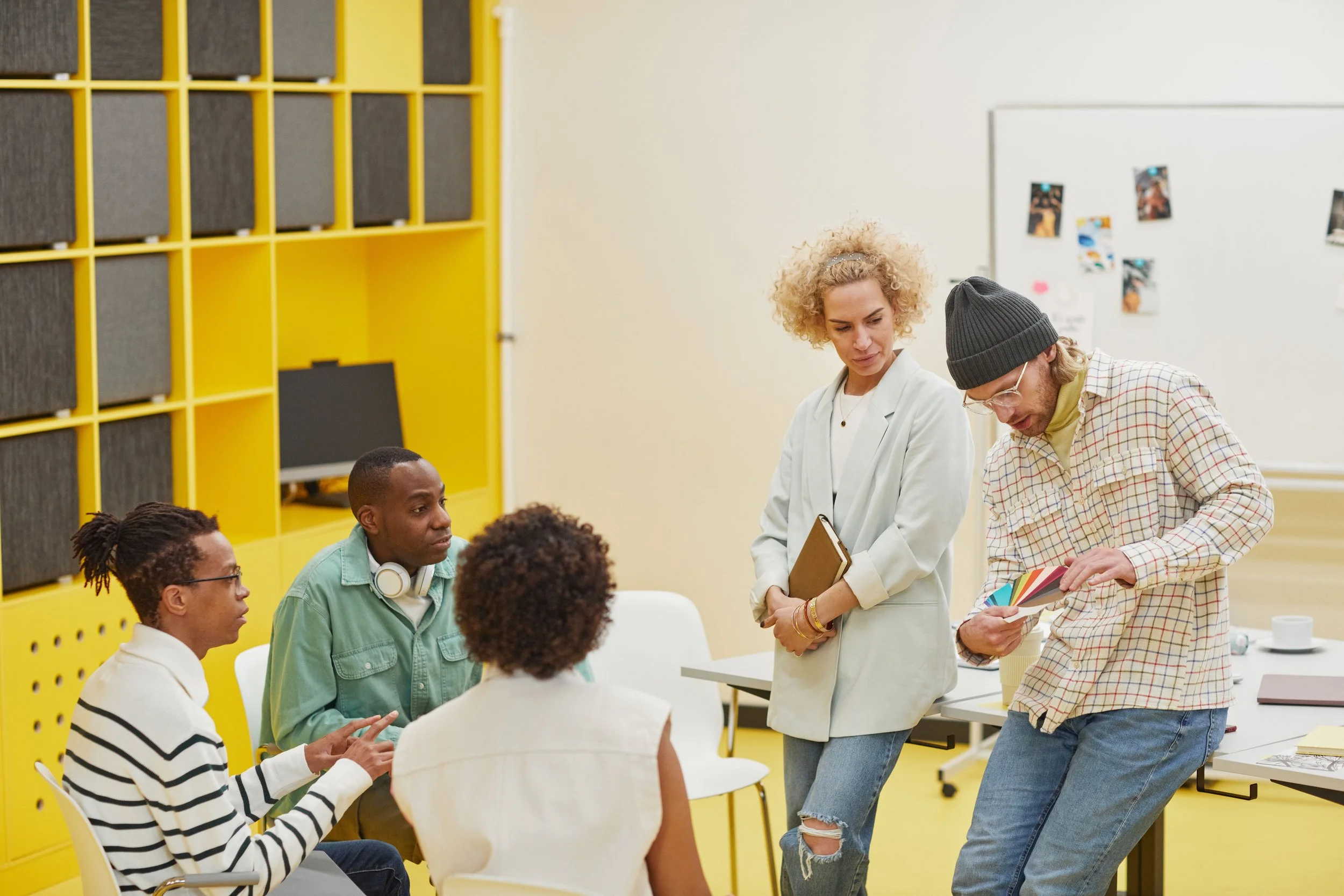
How do we build a world where our differences allow for stronger models of contribution?
We start by having these conversations.
We champion and support the organisations who are at the forefront of advocacy, such as Campaign for the Arts.
We support and invest in the local community initiatives that are working to make a difference in our own neighbourhoods (such as an organisation I recently discovered called Candi Community - who provide neurodivergent people and the wider community with fun, affordable, and creative opportunities).
We increase exposure and access to the arts for children and young people in rural and working class areas, starting within primary schools, and ensuring that access is present through to adulthood.
Most importantly, we move forward recognising that everyone has abilities that have a natural place in our evolving world. Because if we don't, we may end up raising a generation of people who never get the opportunity to contribute in the ways they deserve to.
In a time where we have access to a great deal of resources and technology, nobody, especially creatives and young people, deserves to be left behind.
